 Free International Shipping
After birth, intense processes of brain growth and development continue, with new brain cells being created, traveling to their final destinations, and gradually forming a dense network that interconnects them.
How Sensory Experiences Shape the Brain
This process is influenced by genetics and early experiences (sensory inputs and stimuli) to which the child is exposed.
Daily routines such as feeding, changing, touching, and communicating with the child are of utmost importance.
Daily routines such as feeding, changing, touching, and communicating with the child are of utmost importance. It is crucial that the stimuli are not too intense or unpleasant.
Prolonged exposure to low-level stress, or even short-term exposure to extreme discomfort, negatively impacts brain development.
Appropriate motor stimulation also positively affects other aspects of the child’s health, including emotional, cognitive, and visual development. Conversely, stimulation of visual development benefits other areas of development as well.
What Do Newborns See?
After birth, visual acuity is quite limited, with the child having the sharpest vision of objects 20-30 cm away, approximately the distance from the mother’s face during breastfeeding. It is believed that initially, children can clearly distinguish black and white, and then around 4-5 months of age, they begin to see red.
…stimulation of visual development benefits other areas of development as well.
The image is projected onto the retina, and then the optic nerve carries the stimulus to the brain, where the image is formed and analyzed. High-contrast images provide stronger stimulation to the visual pathway and promote its development.
Strengthening Bonding and Communication in Newborns
Additionally, if a parent speaks while showing images, it enhances emotional bonding and strengthens the child’s communication skills.
According to all available data, high-contrast images cannot cause over stimulation in the child.
Therefore my warmest recommendation.
Prof.dr.sc., Primarius Milivoj Jovancevic
Share this article with others:

Prof.dr.sc., Primarius Milivoj Jovancevic
Pediatrician famous for his book “First years: Why are they so important?”; His main area of interest is the organization of pediatric primary care and preventive mental health programs for newborns.

Explore our Geometry Collection
Have you heard of Robert Fantz? In his famous experiments, he found that infants prefer to look at high-contrast patterns such as checkerboards, which set the foundation for further research on early perception and development.
Looking for more about early development?
Recommended reads for curious (and caring) parents.
T-Shirt behind our brand – organic, ethical, and made to last
Our T-shirts are made from 100% organic cotton and certified by GOTS, OEKO-TEX®, and more. Ethically produced, skin-safe, and vegan, offering comfort with a conscience in every stitch.

7 Summer Sensory Play Ideas for Babies
Looking for easy and enriching summer activities for your baby? These 7 sensory play ideas use nature, water, textures, and movement to support brain development and create beautiful bonding moments.
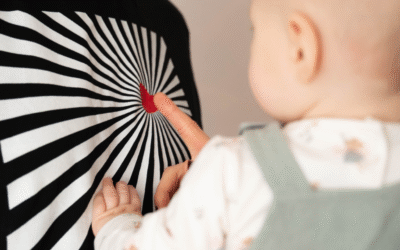
Sensory Integration: The Key Senses in the First Year
Discover how your baby’s brain develops through early sensory experiences. Learn about key senses like touch, movement, and body awareness, and support sensory integration with simple tips based on Jean Ayres’ research.
PEKiP: Learning and Letting Learn – Right from the Start
The PEKiP program supports infants’ motor, sensory, and social development through guided play in small groups. Mooshie Wooshie partners with PEKiP to enrich sessions with high-contrast visual stimulation.
How Your Baby’s Vision Shapes Brain, Movement & Emotional Growth
Early visual experiences play a crucial role in shaping your baby’s brain growth and sensory development. Stimulating sight supports cognitive milestones and lays a strong foundation for learning and exploration.
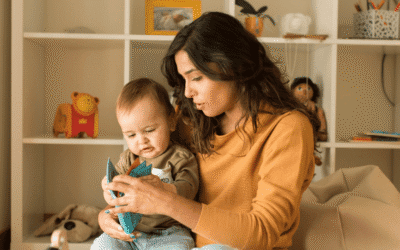
Knowledge and Trust: Key Ingredients for Healthy Baby Development
Newborns need security through contact and care. Their senses develop rapidly, seeking stimuli at their own pace. Caregivers must observe and balance stimulation to support growth without overwhelming.
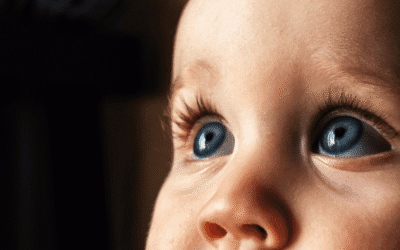
Baby Vision Development: Short Guide
A baby’s vision grows rapidly after birth. From seeing clearly at 20–30 cm to recognising faces and movement, early visual experiences shape brain development and support learning through interaction.